Writing Copy for Business Print in Jordan: Make Every Word Count
A business card can look beautiful and still leave people unsure what its owner does. A shopping bag can carry plenty of words without leaving a memorable message. Writing effective business print copy in Jordan starts with identifying what customers need to know, then choosing words that serve that purpose. Whether your business is in Amman, Zarqa, or Russeifa, thoughtful copy makes business cards, invoices, stickers, and bags more useful in everyday interactions. It also gives the designer content that can be arranged without crowding the layout.
Define the Purpose Before Writing the Message
Ask yourself what someone should understand or do after reading the item. A business card introduces the business and makes contact easy, while a packaging sticker communicates something about the order, and an invoice helps readers follow a transaction. Choosing one main purpose makes it easier to remove unnecessary wording and decide which information deserves attention first.
Write a short internal brief, such as: “I want the recipient to know that we accept custom-size orders and to send their measurements when enquiring.” This does not have to become the printed text; it guides your decisions. Review anything that does not support that purpose, especially when space is limited or the item will be read at a glance.
Organize the Message into Three Layers
Not every word needs equal emphasis. Readers need a starting point, a useful detail, and an appropriate next step. Prepare these layers for the designer before choosing fonts and colors, and identify what must stay visible if the copy needs to be shortened.
- Introduction: the business name and a brief description of its work, particularly when the name alone does not explain it.
- Useful information: a specific service or detail that helps customers judge whether the business suits their needs.
- Next step: a clear contact method or specific request, such as sending measurements or asking about available options.
Avoid leading with broad phrases such as “a world of creativity and excellence” when they compete with a useful business description. A direct line such as “design and printing for businesses and shops” gives readers practical information. A short expressive tagline can still work when it adds personality without obscuring the essentials.
Adapt the Copy to the Print Item
Business Cards: A Quick Introduction and a Reason to Get in Touch
Start with the person's or business's name, followed by a clear professional description. Avoid turning the card into a long list of everything you offer. Choose a description that groups related services and include the main contact method. When preparing copy for a matte business card, read it without looking at the logo. Could a new customer tell what you do? If not, refine the description before adding more promotional wording.
Stickers and Bags: Write for the Moment of Use
First, establish what the sticker will do. Will it identify a product, close the packaging, or provide space for the recipient's name? The wording should follow that function. A thank-you sticker may need only a short message, while an order sticker needs a clear label for the information being entered. Discuss text space when choosing labels and stickers, and avoid asking a small item to carry several messages.
A shopping bag can carry the business name, a short line, and the approved social account or contact detail. Think about which words remain easy to understand while the bag is being carried. Avoid spreading a long introduction across folds. If an address is necessary, make it useful for locating the shop without filling the front of the bag with detailed directions.
Invoices and Stamps & Seals: Clear Labels Come First
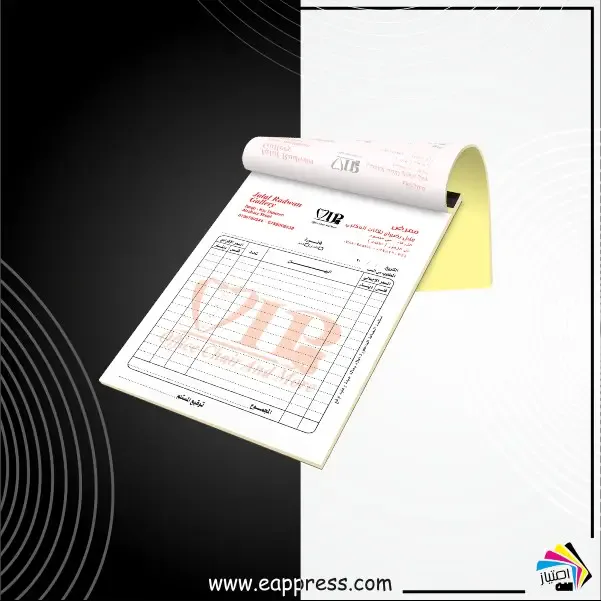
An invoice is useful when its field labels are easy to understand. Choose labels such as “Item description,” “Quantity,” and “Order notes” to match the workflow, and distinguish preprinted details from fields completed later. When preparing invoices and receipts, review the wording with the person who actually uses the form so that essential fields are included and information is not repeated unnecessarily.
For stamps and seals, identify the details needed for the intended use, then shorten them without changing their meaning. Avoid placing a long promotional description between the name and identifying information. Readability in a test impression matters more than the number of details included, and any abbreviation of the name should be deliberate and approved by the business owner.
Wedding Invitations Need a Different Tone
For wedding invitations, begin with a welcome that suits the hosts, then arrange the names, date, time, and venue details. Keep the personal message distinct from the information guests need to attend. A lengthy introduction should not squeeze the venue name or arrival time into a tiny space. Confirm names with the people concerned rather than assuming the spelling.
The language can be formal or closer to the family's everyday style, provided the tone stays consistent throughout the invitation. If there are several celebrations, name each one clearly and connect it to its own time and location so readers do not have to work out which details belong together.
Replace General Claims with Useful Information
Marketing copy should give customers something they can use. Instead of “everything you need,” name the audience you serve or the type of orders you accept, provided that accurately describes the business. Rather than using “contact us now” on its own, try “send the print item and quantity to enquire.” These are writing examples; adapt them to the actual service and contact channel available.
- Use clear verbs such as send, choose, write, and enquire when the item calls for action.
- Remove repeated adjectives that add no information about the product or service.
- Do not promise speed, quality, or a specific outcome unless the commitment is approved and achievable.
- Choose a tone that suits the audience, and keep specialist terms only when recipients will understand them.
Review the Copy in the Design Before Approval
A phrase that looks fine in a phone message may be too long on a card. Review a version at actual size and read it in the order a customer would. Ask someone who was not involved in writing it to explain what they understood and what they would do next. If they need an explanation, the wording or information order may need attention.
- Check names, phone numbers, and addresses against the approved details.
- Make sure the same phrase is not repeated in a small space without a purpose.
- Review punctuation and the separation between addresses and contact details.
- Bring all changes into one final version to avoid using outdated copy.
For printed materials with clear wording and a design suited to their purpose, contact EAP Press, a printing company in Russeifa, Zarqa, Jordan, to discuss your business needs in Amman or any other Jordanian city. Send the print item, draft copy, and required quantity on WhatsApp at +962 7 9821 5060 to discuss design and printing details.
Frequently Asked Questions
Should the copy be ready before print design begins?
How can I shorten copy that does not fit a business card?
Can the same wording appear on bags, stickers, and invoices?
What should I send the printing company to discuss copy and design?
Need printing or advertising services in Jordan?
Contact EAPPress today for a free quote on your project in Amman and across Jordan.